Lessons learnt from Concorde failure, Aviation, Concorde, Lessons Learned, Tragedy, Aircraft, Aviation Safety, Aerospace, Failure Analysis, Aviation History, Engineering, Supersonic, Air Travel, Aviation Technology, Legacy, Flight Safety, Aviation Industry, Crash Investigation, Historic Planes, Airline Safety, Aviation Regulations, Human Factors, Flight Operations, Risk Management, Safety Protocols, Lessons from History, Aviation Accidents, Learning from Mistakes, Safety Procedures.

You may also like

General Electric's Evolution: The Urgent Call for Change.
General Electric's evolution over the decades highlights the necessity for continuous adaptation in business. From its industrial roots to its transition into technology and digitalization, GE has had to reinvent itself to stay relevant. This case study emphasizes how embracing change, fostering innovation, and focusing on sustainability can ensure long-term organizational success.
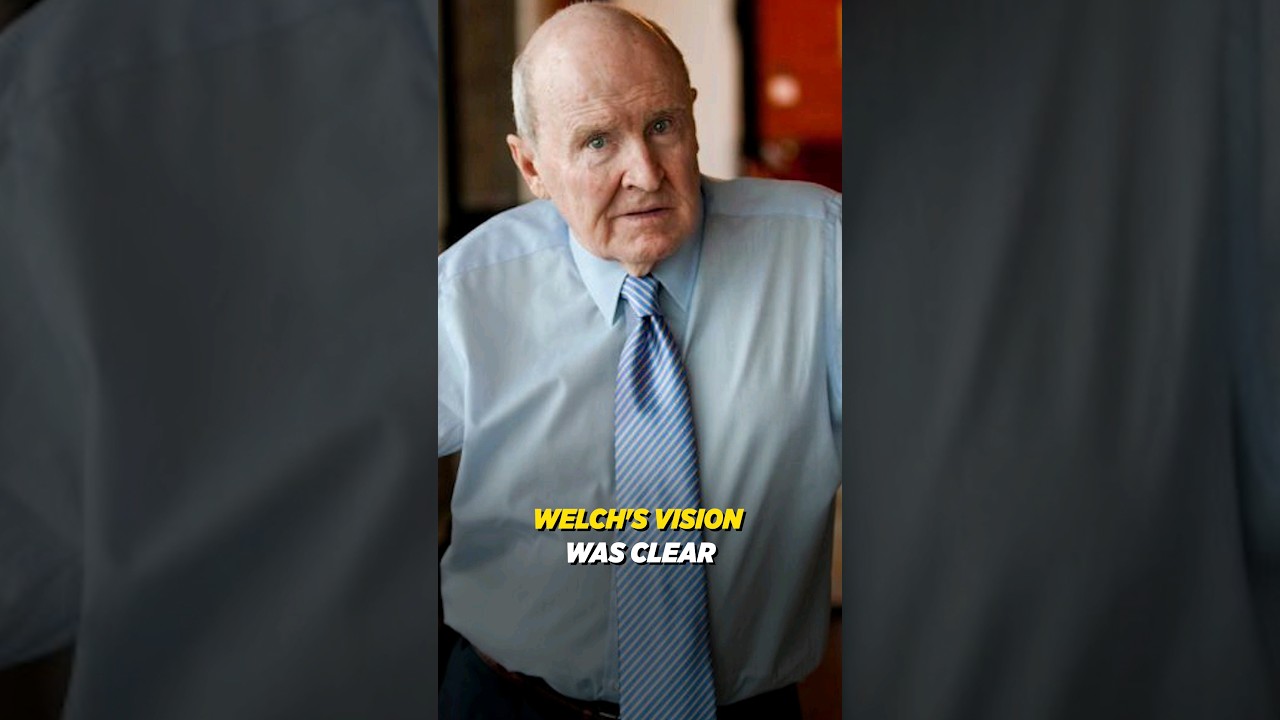
Jack Welch - Check How This Visioner Transformed GE.
Jack Welch, former CEO of General Electric, revolutionized the company through innovative management practices, including Six Sigma and boundaryless behavior. His focus on operational efficiency, talent development, and a results-driven culture led to GE's transformation into a global powerhouse. Welch's leadership style offers valuable lessons for executives on building and sustaining successful organizations.
Enhancing Risk Management with Ecosystem Mapping Techniques.
Ecosystem mapping is a holistic risk management approach that visualizes the complex web of relationships between a project and its external environment. This technique helps identify dependencies, vulnerabilities, and opportunities by looking at how different elements of the ecosystem interact. It supports strategic decision-making and enhances the ability to manage uncertainties.
Innovative Risk Management: Expert Elicitation with Role Reversal.
Expert elicitation with role reversal involves flipping traditional roles to gain fresh perspectives on risk. In this method, experts in a particular domain take on unfamiliar roles to challenge conventional thinking and expose blind spots in risk identification. This technique encourages creativity, fosters innovation, and leads to the discovery of overlooked risks and mitigation strategies.
Environmental Scanning for Effective Risk Management.
Environmental scanning involves analyzing external factors such as market trends, economic conditions, regulations, and technological advancements that could impact a project. By keeping a pulse on the surrounding environment, project teams can proactively identify risks and opportunities, adjust strategies accordingly, and ensure alignment with the broader business landscape.
Strategic Risk Management through Scenario Planning.
Scenario planning is a forward-thinking risk management technique where teams outline various future scenarios and develop strategies for each one. This allows organizations to prepare for multiple potential futures by identifying risks and opportunities under different conditions. It also helps in building resilience, promoting flexibility, and enabling quicker responses to changes.
Page 2 of 8
pl_PLPL