Escalation Triggers, Communication Protocols, Decision-Making Criteria, Escalation Process, Project Management, Stakeholder Engagement, Escalation Procedures, Decision-Making, Importance of Escalation, How to set up an escalation process, escalation in project management, how to escalate, project management, escalation process set up.
A structured approach to conflict resolution helps ensure that all parties’ concerns are addressed. The process typically involves identifying the issue, bringing involved parties together, facilitating discussions, exploring solutions, and agreeing on a resolution. Following this step-by-step method minimizes misunderstandings and creates lasting solutions.
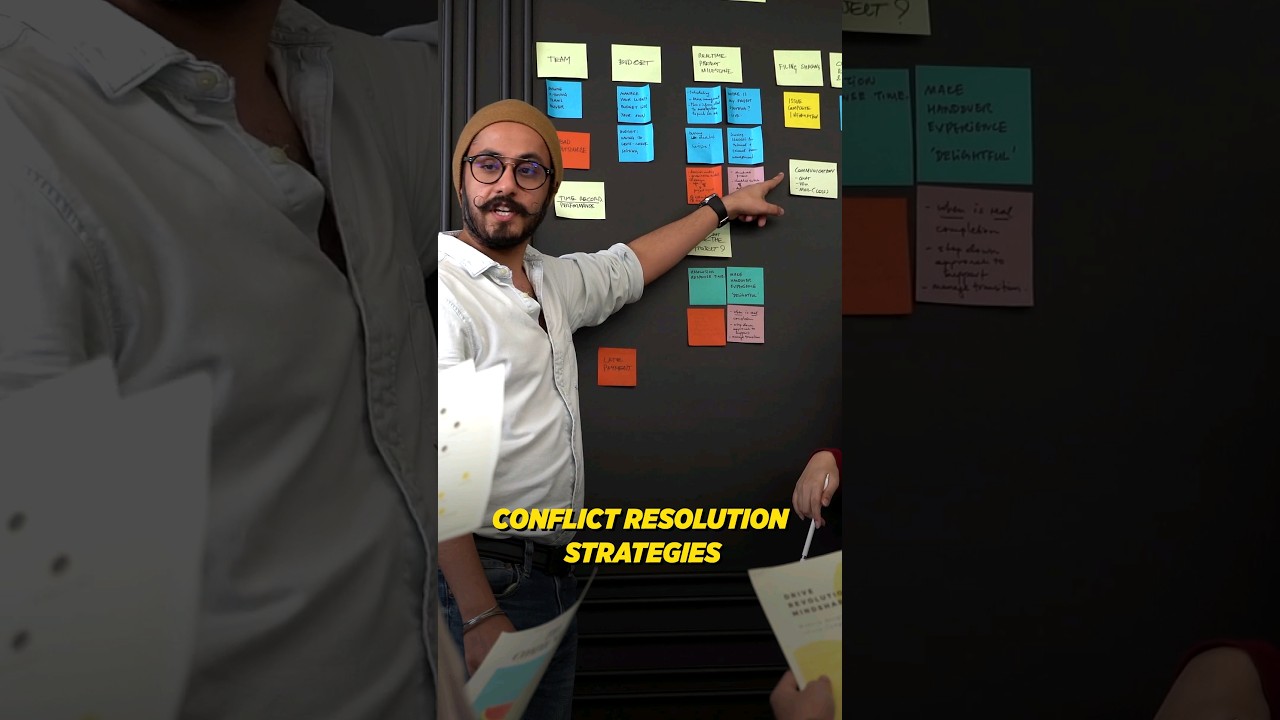
Effective conflict resolution strategies involve negotiation, mediation, and open dialogue. Encouraging a collaborative approach where all parties are heard and respected helps resolve disputes constructively. Techniques such as active listening, compromise, and finding common ground are essential to maintaining team harmony and avoiding escalation.
Conflict in the workplace often stems from miscommunication, differing values, or competing interests. Understanding the root causes is essential for effective conflict resolution. This involves active listening, identifying the underlying issues, and addressing them directly. By fostering a culture of transparency and empathy, organizations can mitigate conflicts and improve collaboration.
Data-driven decision-making is becoming an essential skill in the modern workplace. By utilizing data analytics, professionals can uncover actionable insights that drive more informed decisions. It also ensures greater accuracy in forecasts, risk management, and strategic planning. Mastering data analysis tools and methods can significantly boost your professional impact.
In today’s rapidly changing work environment, professionals must continuously adapt. Key skills to invest in include data literacy, digital fluency, critical thinking, emotional intelligence, problem-solving, leadership, and adaptability. Developing these core competencies can position you for success in any industry, making you more resilient and prepared for future challenges.
Ecosystem mapping is a holistic risk management approach that visualizes the complex web of relationships between a project and its external environment. This technique helps identify dependencies, vulnerabilities, and opportunities by looking at how different elements of the ecosystem interact. It supports strategic decision-making and enhances the ability to manage uncertainties.






 PL
 EN