Why Projects Fail, Main Reasons for Project Failures, Project Failure, Project Management, Risk Analysis, Symptoms of Failure, Project Planning, Stakeholder Engagement, Project Issues, Communication Breakdown, Project Success, Project Awareness, Project Risks, Top 4 Symptoms for Project Failure, Project Disaster Reasons, Why Projects Face Issues, Project Setback, Project Fiasco Reasons, Why Do Projects Fail, Project Failure.
You may also like

What is HAZOP and how can help with risk identification?
HAZOP (Hazard and Operability Study) is a structured risk analysis tool used to identify potential hazards and operability issues in processes. It involves a team-based approach where experts systematically review project components, looking for deviations from design or operational intent. This method enhances safety, efficiency, and reliability, particularly in complex systems.
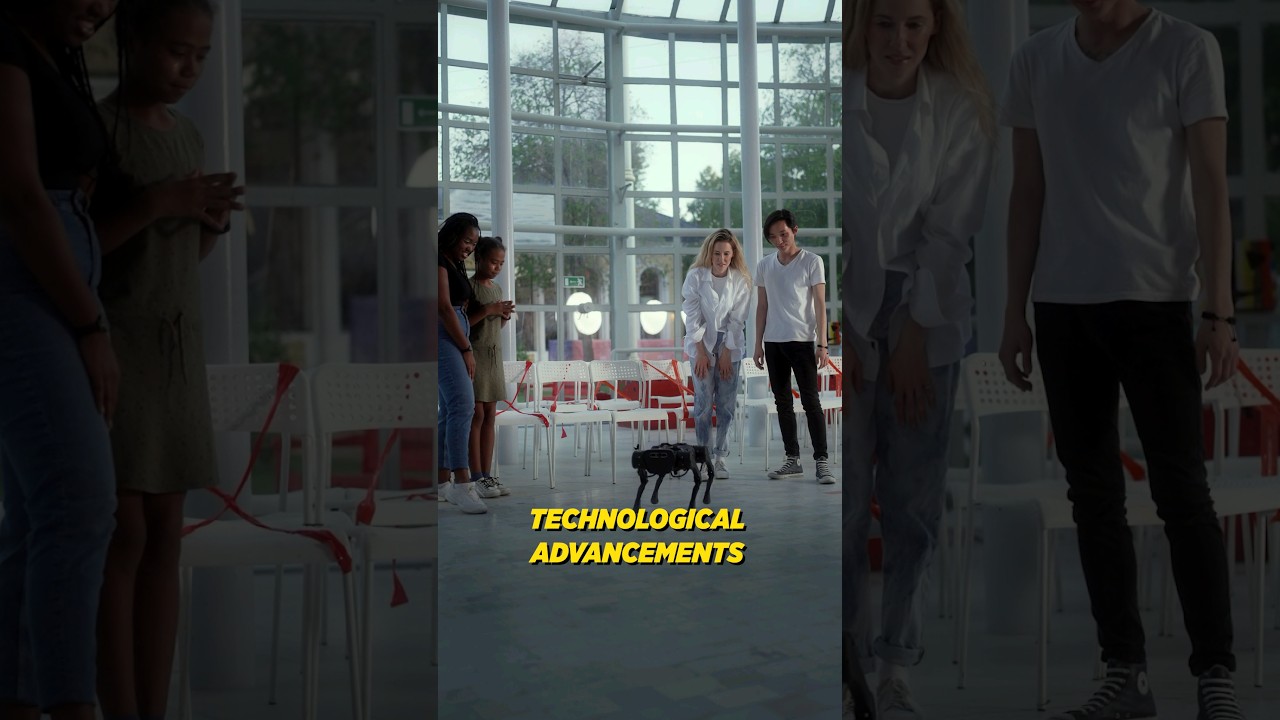
Environmental Scanning for Effective Risk Management.
Environmental scanning involves analyzing external factors such as market trends, economic conditions, regulations, and technological advancements that could impact a project. By keeping a pulse on the surrounding environment, project teams can proactively identify risks and opportunities, adjust strategies accordingly, and ensure alignment with the broader business landscape.
Strategic Risk Management through Scenario Planning.
Scenario planning is a forward-thinking risk management technique where teams outline various future scenarios and develop strategies for each one. This allows organizations to prepare for multiple potential futures by identifying risks and opportunities under different conditions. It also helps in building resilience, promoting flexibility, and enabling quicker responses to changes.
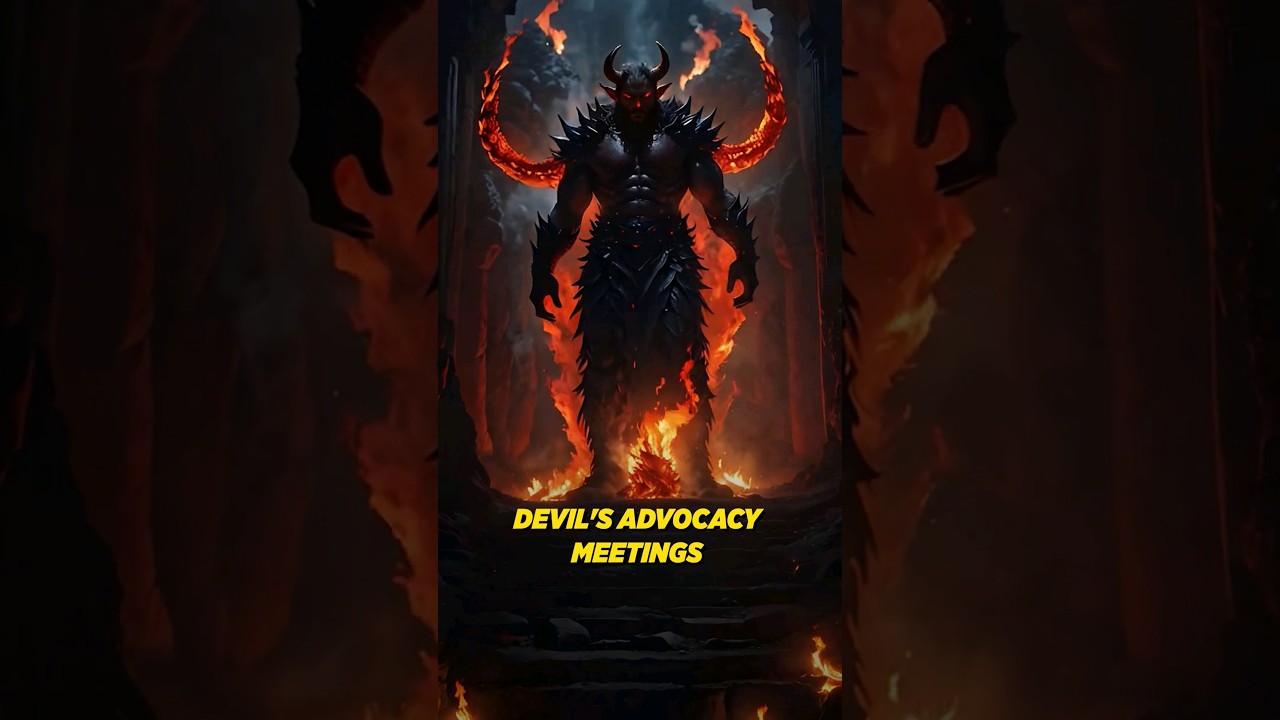
Devil's Advocacy Meetings: Identifying and Mitigating Risks.
In Devil’s Advocacy meetings, one or more team members deliberately question assumptions, decisions, and strategies. By playing the “devil’s advocate,” potential flaws and risks are exposed, allowing the team to address them before they become problematic. This method encourages a culture of critical thinking, helping to refine plans and improve project outcomes.
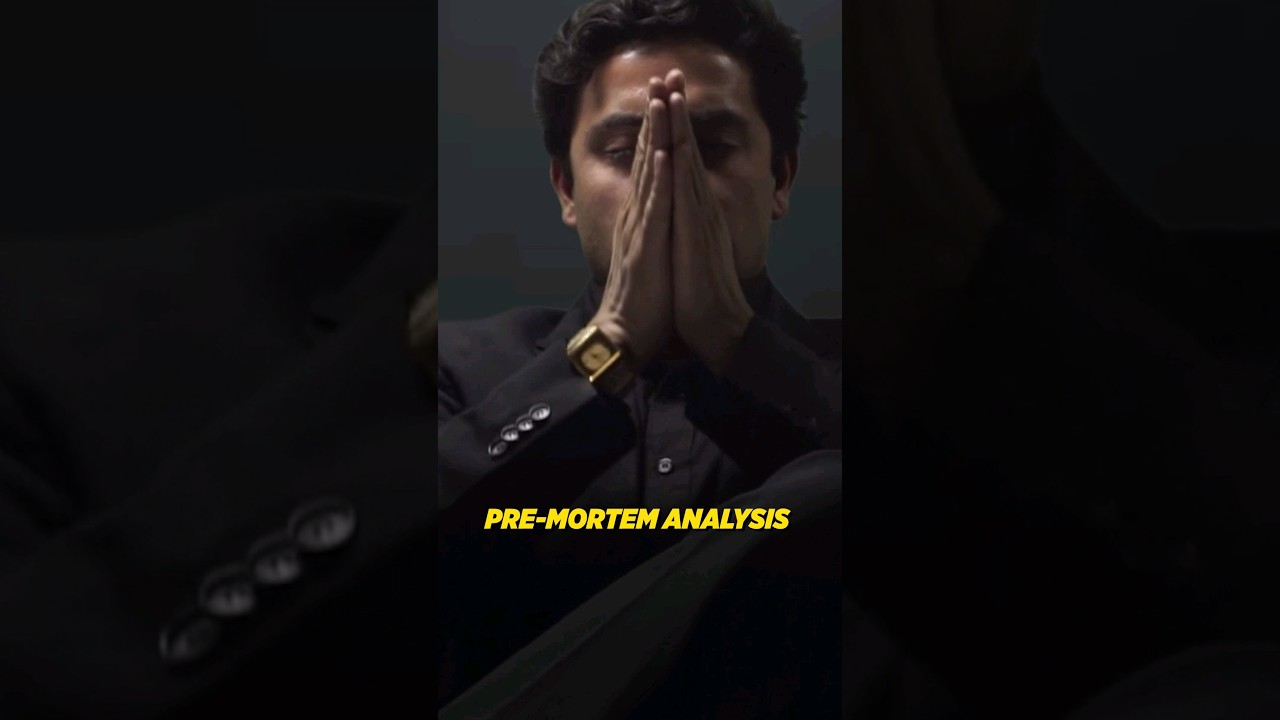
Pre Mortem Analysis: Predicting and Preventing Project Failures.
A pre-mortem analysis allows teams to imagine that a project has failed and then work backward to determine the causes. This proactive approach identifies potential failure points early, making it possible to address them before they escalate into real issues. It boosts team collaboration and strengthens risk management strategies, improving the chances of project success.
Uncover Hidden Risks Using Red Team Blue Team Techniques.
Red Team/Blue Team exercises are adversarial methods where one group (Red Team) challenges the assumptions and plans of another group (Blue Team). This technique is highly effective in identifying hidden risks by exploring both offensive and defensive approaches. It fosters innovation, critical thinking, and a comprehensive understanding of potential threats to project objectives.
Page 3 of 9
pl_PLPL