What is the Framing Effect? How does the framing effect influence decisions? Framing Effect, Decision Making, Cognitive Bias, Psychology, Mind Games, Perception Matters, Choice Architecture, Decision Science, Cognitive Psychology, Bias Awareness, Psychological Effects, Critical Thinking, Influence of Frames, Human Behavior, Risk Aversion, Decision Bias, Understanding Choices, Cognitive Science, Information Framing, Choice Influence.



You may also like

How Can You Overcome Resource Shortages?
Overcoming resource shortages requires creative problem-solving and strategic allocation. This may involve reprioritizing tasks, cross-training team members, outsourcing non-critical tasks, or negotiating for additional resources. Managing expectations with stakeholders and maintaining open communication helps mitigate the impact of resource limitations on project timelines.
How to Prevent Conflicts Effectively.
Preventing conflicts requires fostering a culture of openness, respect, and proactive communication. Encouraging team members to voice concerns early, setting clear expectations, and promoting a positive work environment are key to minimizing misunderstandings. Regular team check-ins and conflict management training can further reduce the likelihood of disputes.
Step-by-Step Conflict Resolution Process.
A structured approach to conflict resolution helps ensure that all parties’ concerns are addressed. The process typically involves identifying the issue, bringing involved parties together, facilitating discussions, exploring solutions, and agreeing on a resolution. Following this step-by-step method minimizes misunderstandings and creates lasting solutions.
Top Conflict Resolution Strategies.
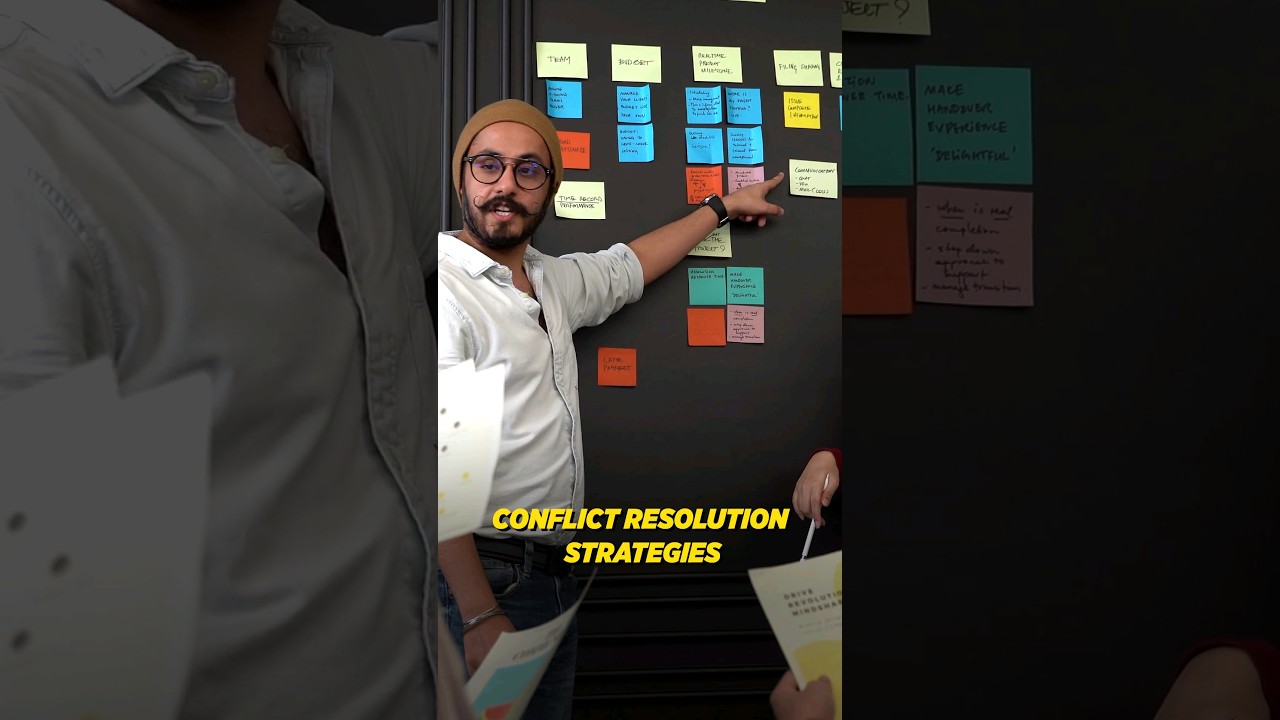
Effective conflict resolution strategies involve negotiation, mediation, and open dialogue. Encouraging a collaborative approach where all parties are heard and respected helps resolve disputes constructively. Techniques such as active listening, compromise, and finding common ground are essential to maintaining team harmony and avoiding escalation.
Understanding the Causes of Conflicts.
Conflict in the workplace often stems from miscommunication, differing values, or competing interests. Understanding the root causes is essential for effective conflict resolution. This involves active listening, identifying the underlying issues, and addressing them directly. By fostering a culture of transparency and empathy, organizations can mitigate conflicts and improve collaboration.
General Electric's Evolution: The Urgent Call for Change.
General Electric's evolution over the decades highlights the necessity for continuous adaptation in business. From its industrial roots to its transition into technology and digitalization, GE has had to reinvent itself to stay relevant. This case study emphasizes how embracing change, fostering innovation, and focusing on sustainability can ensure long-term organizational success.
Page 2 of 8
pl_PLPL