What is a User Story? User Story with Examples, What is User Story Acceptance Criteria? Agile Development, Acceptance Criteria, Project Management, Agile Methodology, Agile Best Practices, How to Write a User Story with Acceptance Criteria, How to Write a User Story.
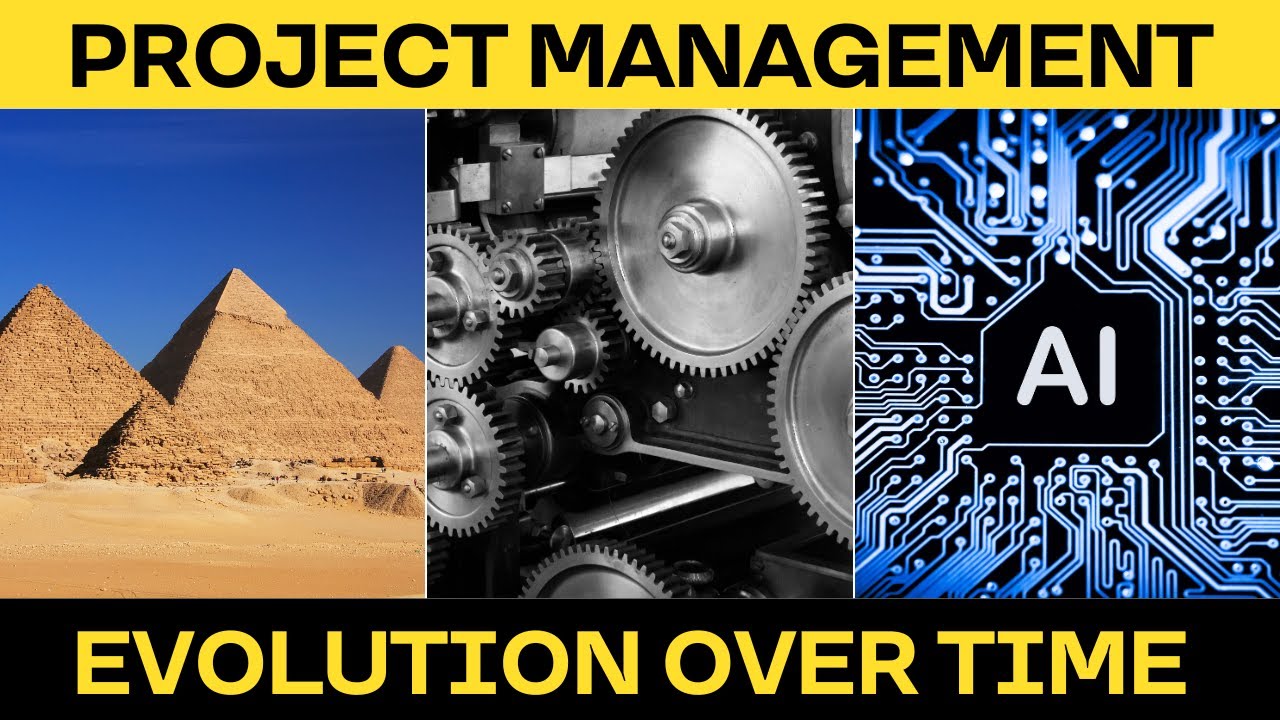
Project management has evolved significantly with the introduction of agile methods, digital tools, and data analytics. These advancements have made project planning, execution, and monitoring more efficient. The rise of remote teams and AI-driven decision-making has further transformed how projects are managed, fostering flexibility and faster delivery times.
There are several common myths about project management, such as the belief that only large projects need formal management or that agile methods are a cure-all. These misconceptions can hinder project success. By debunking these myths, project managers can adopt best practices, use appropriate methodologies, and focus on what truly drives project completion.
As AI and machine learning become more integrated into business processes, data literacy has emerged as a critical skill. Understanding how to interpret, analyze, and communicate data effectively will be fundamental to staying competitive. Developing data literacy ensures you can leverage AI tools, make informed decisions, and drive innovation in the AI era.
Data-driven decision-making is becoming an essential skill in the modern workplace. By utilizing data analytics, professionals can uncover actionable insights that drive more informed decisions. It also ensures greater accuracy in forecasts, risk management, and strategic planning. Mastering data analysis tools and methods can significantly boost your professional impact.
In today’s rapidly changing work environment, professionals must continuously adapt. Key skills to invest in include data literacy, digital fluency, critical thinking, emotional intelligence, problem-solving, leadership, and adaptability. Developing these core competencies can position you for success in any industry, making you more resilient and prepared for future challenges.
Ecosystem mapping is a holistic risk management approach that visualizes the complex web of relationships between a project and its external environment. This technique helps identify dependencies, vulnerabilities, and opportunities by looking at how different elements of the ecosystem interact. It supports strategic decision-making and enhances the ability to manage uncertainties.






 PL
PL  EN
EN