General Electric's evolution over the decades highlights the necessity for continuous adaptation in business. From its industrial roots to its transition into technology and digitalization, GE has had to reinvent itself to stay relevant. This case study emphasizes how embracing change, fostering innovation, and focusing on sustainability can ensure long-term organizational success.
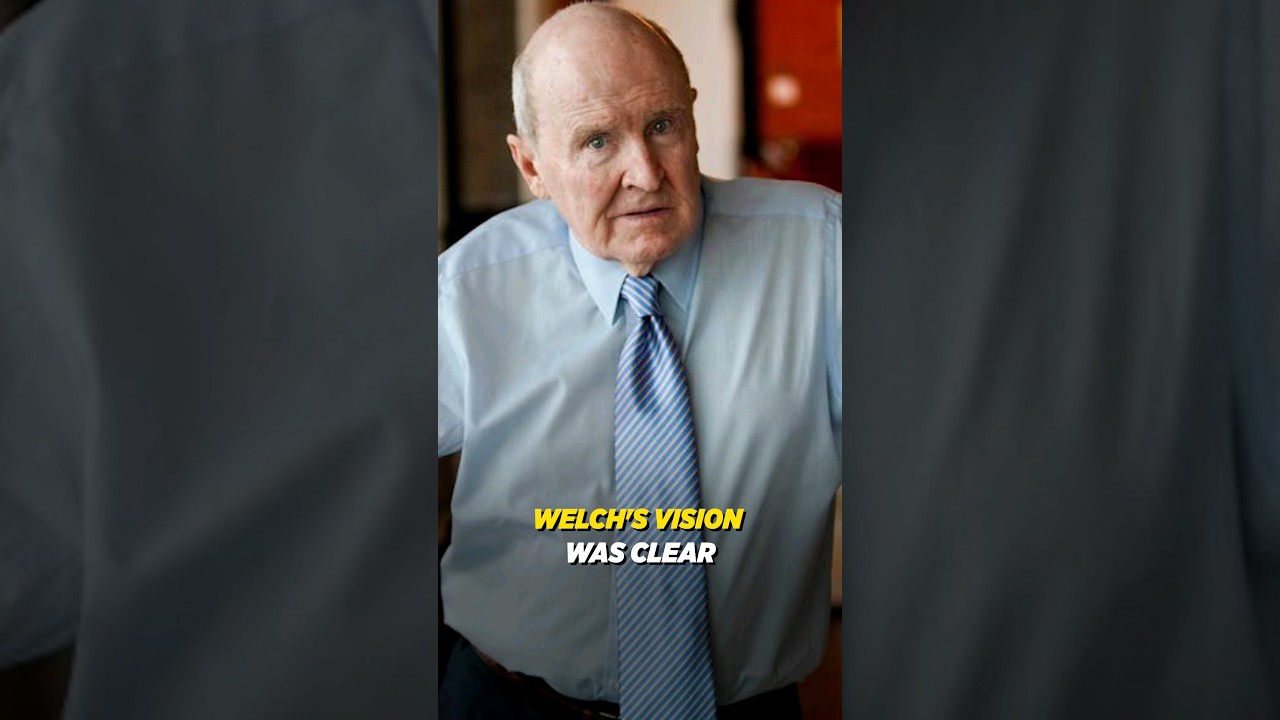
Jack Welch, former CEO of General Electric, revolutionized the company through innovative management practices, including Six Sigma and boundaryless behavior. His focus on operational efficiency, talent development, and a results-driven culture led to GE's transformation into a global powerhouse. Welch's leadership style offers valuable lessons for executives on building and sustaining successful organizations.
Navigating challenging situations with stakeholders requires diplomatic communication, empathy, and transparency. It is crucial to understand their concerns, maintain professional boundaries, and look for win-win solutions that align their needs with project objectives. Early identification of potential friction points and proactive mitigation can help avoid conflicts.
Managing stakeholder expectations involves setting clear, achievable objectives from the outset. It is crucial to communicate openly and regularly, especially when there are changes in project scope or timelines. By actively listening to their concerns, addressing them promptly, and aligning their expectations with realistic outcomes, you ensure a more harmonious working relationship and a successful project execution.
Effective delivery of a message to senior stakeholders is as important as crafting it. Ensure that the communication method is appropriate, whether through a presentation, email, or in-person meeting. Use data and real-time examples to strengthen your points, maintain a concise and professional tone, and allow for interaction and questions to demonstrate transparency and confidence.
Crafting messages for senior stakeholders requires clarity, brevity, and alignment with organizational goals. The key is to focus on high-impact information, avoid jargon, and anticipate potential concerns. Tailoring the content to address their priorities and providing actionable insights will help in ensuring engagement and support for decisions.



 PL
 EN