What to Avoid During a Project, Contingency Planning, Team Dynamics, End User Feedback, Adaptability, Procrastination, Project Mistakes, What You Should Not Do During a Project, Project Errors, Project Tips, Project Success, Project Advice.
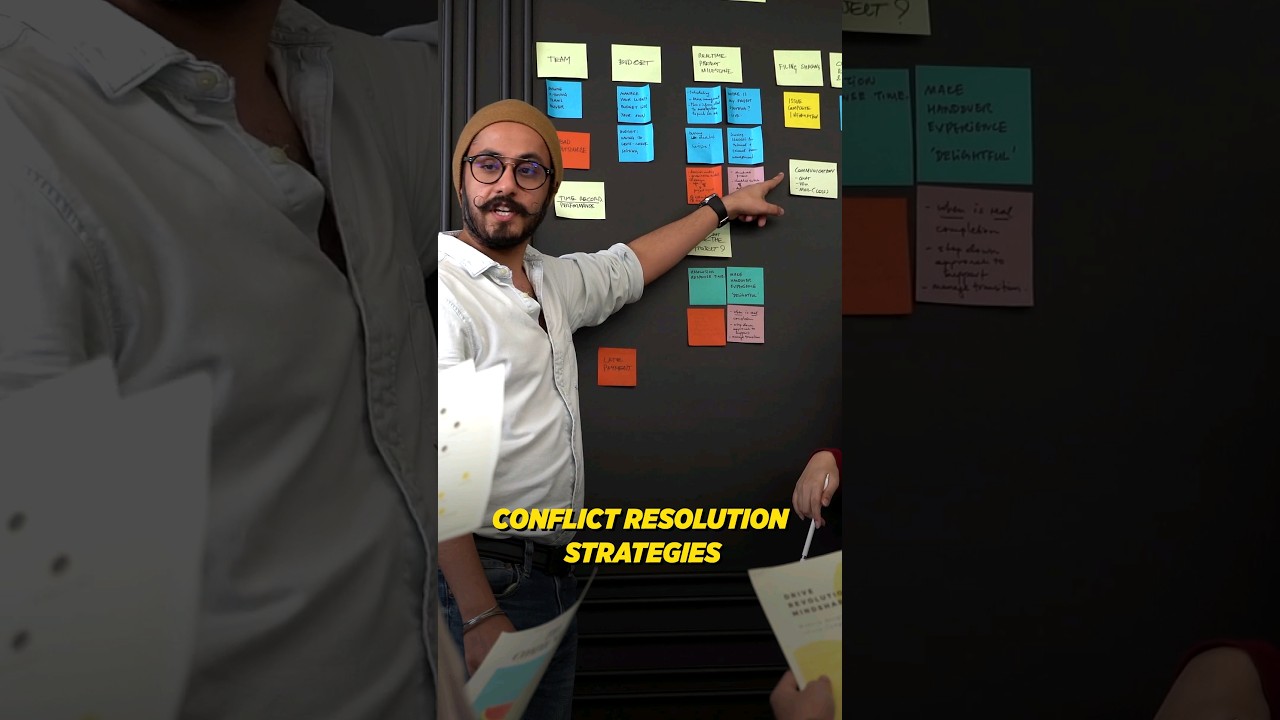
A structured approach to conflict resolution helps ensure that all parties’ concerns are addressed. The process typically involves identifying the issue, bringing involved parties together, facilitating discussions, exploring solutions, and agreeing on a resolution. Following this step-by-step method minimizes misunderstandings and creates lasting solutions.
Effective conflict resolution strategies involve negotiation, mediation, and open dialogue. Encouraging a collaborative approach where all parties are heard and respected helps resolve disputes constructively. Techniques such as active listening, compromise, and finding common ground are essential to maintaining team harmony and avoiding escalation.
GE’s “Work-Out” initiative, introduced by Jack Welch, aimed at eliminating unnecessary bureaucracy and fostering a culture of open communication. This program empowered employees to suggest improvements, streamline processes, and remove inefficiencies. It’s a powerful example of how organizations can enhance productivity and accountability by leveraging internal expertise.
General Electric's evolution over the decades highlights the necessity for continuous adaptation in business. From its industrial roots to its transition into technology and digitalization, GE has had to reinvent itself to stay relevant. This case study emphasizes how embracing change, fostering innovation, and focusing on sustainability can ensure long-term organizational success.
Jack Welch, former CEO of General Electric, revolutionized the company through innovative management practices, including Six Sigma and boundaryless behavior. His focus on operational efficiency, talent development, and a results-driven culture led to GE's transformation into a global powerhouse. Welch's leadership style offers valuable lessons for executives on building and sustaining successful organizations.
Ecosystem mapping is a holistic risk management approach that visualizes the complex web of relationships between a project and its external environment. This technique helps identify dependencies, vulnerabilities, and opportunities by looking at how different elements of the ecosystem interact. It supports strategic decision-making and enhances the ability to manage uncertainties.





 EN
 PL