GE’s transformation was driven by a strong leadership vision, operational efficiency, and a relentless focus on innovation. The company adapted to market changes and diversified into new industries, leveraging technology to stay competitive. This case study highlights how clear goals, decisive leadership, and a willingness to change can lead to business success.
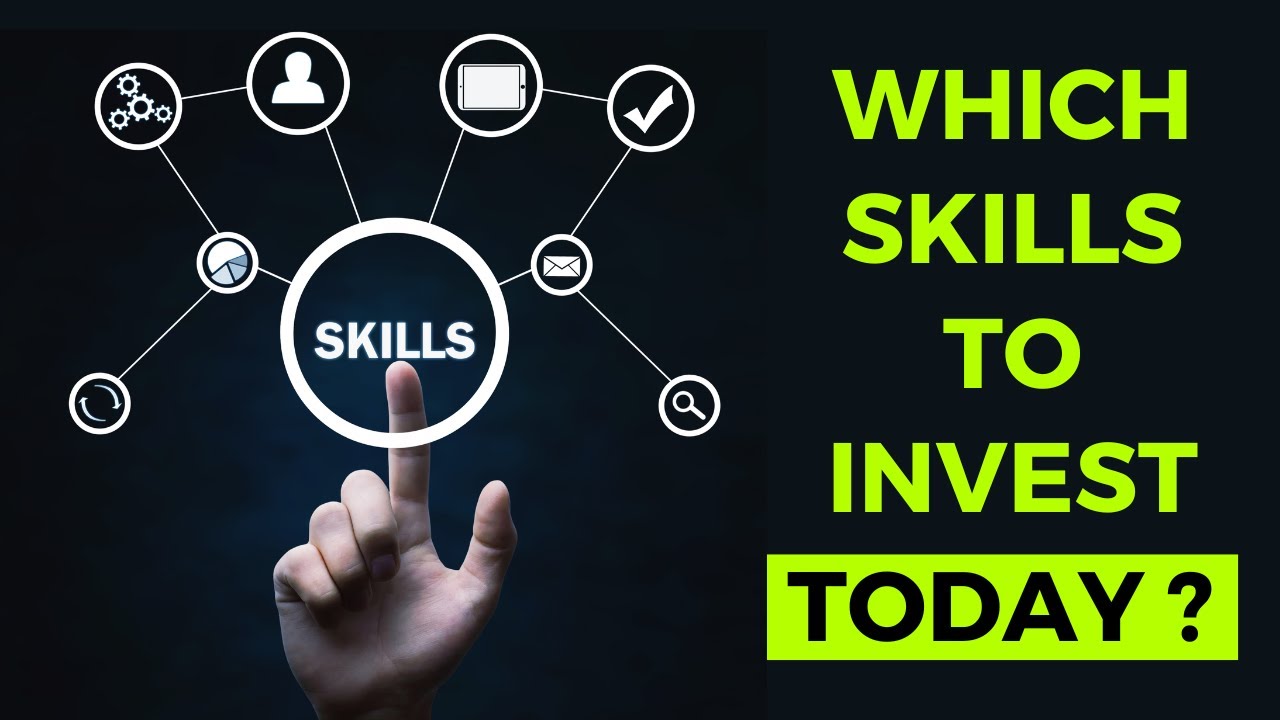
Future-proofing managerial skills means focusing on adaptability, emotional intelligence, data-driven decision-making, and digital literacy. Managers must also cultivate leadership, strategic thinking, and communication skills to navigate the evolving workplace landscape. Continuous learning and development ensure that managers stay relevant and lead their teams effectively.
GE’s “Work-Out” initiative, introduced by Jack Welch, aimed at eliminating unnecessary bureaucracy and fostering a culture of open communication. This program empowered employees to suggest improvements, streamline processes, and remove inefficiencies. It’s a powerful example of how organizations can enhance productivity and accountability by leveraging internal expertise.
General Electric's evolution over the decades highlights the necessity for continuous adaptation in business. From its industrial roots to its transition into technology and digitalization, GE has had to reinvent itself to stay relevant. This case study emphasizes how embracing change, fostering innovation, and focusing on sustainability can ensure long-term organizational success.
As AI and machine learning become more integrated into business processes, data literacy has emerged as a critical skill. Understanding how to interpret, analyze, and communicate data effectively will be fundamental to staying competitive. Developing data literacy ensures you can leverage AI tools, make informed decisions, and drive innovation in the AI era.
Data-driven decision-making is becoming an essential skill in the modern workplace. By utilizing data analytics, professionals can uncover actionable insights that drive more informed decisions. It also ensures greater accuracy in forecasts, risk management, and strategic planning. Mastering data analysis tools and methods can significantly boost your professional impact.
In today’s rapidly changing work environment, professionals must continuously adapt. Key skills to invest in include data literacy, digital fluency, critical thinking, emotional intelligence, problem-solving, leadership, and adaptability. Developing these core competencies can position you for success in any industry, making you more resilient and prepared for future challenges.
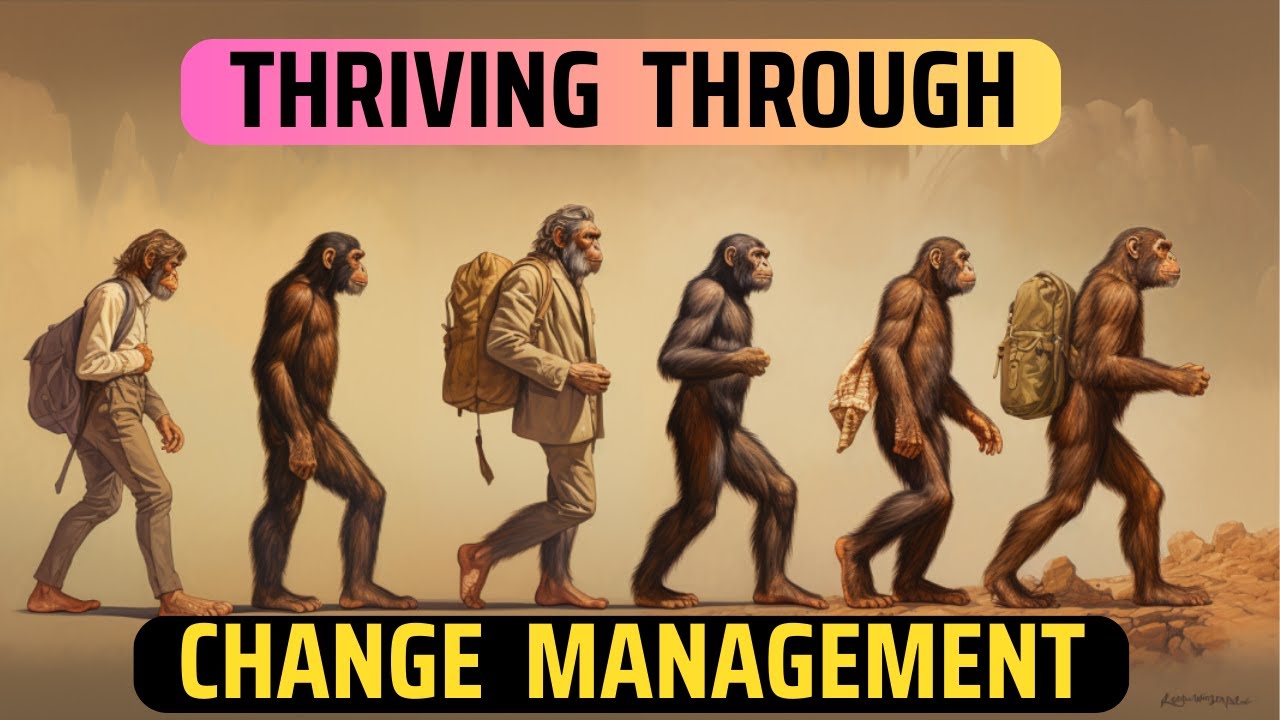
Explore the role of change agents and change managers in driving organizational change. Learn about their duties, responsibilities, and significance in implementing successful change initiatives.
Dive into the ADKAR Model to understand its significance in driving successful change. Explore its five key elements: Awareness, Desire, Knowledge, Ability, and Reinforcement, essential for effective transformations.
Embark on a captivating journey into human behavior with our video on Attribution Theory and its relevance to Change Management. Delve into this cornerstone of social psychology to grasp how individuals interpret and explain events or behaviors.
Seeking a quick guide to Change Management? Learn what it is, key principles, challenges, differences from project management, and benefits. Watch to master the art of change!
Embark on a deep exploration of Project and Change Management! Uncover their complex interplay, differences, and vital methodologies, including objectives, lifecycle, leadership, risk management, frameworks, duration, nature, overlap, and success factors.









 EN
EN  PL
PL