Denver International Airport’s baggage handling system was intended to revolutionize air travel but became a notorious project failure. Budget overruns, technical malfunctions, and poor risk management led to a $600 million loss. This case study highlights the importance of realistic planning, thorough testing, and stakeholder communication in avoiding such high-profile failures.
Addressing unexpected project risks demands agility and quick decision-making. Establishing a contingency plan in advance, maintaining a risk log, and regularly reviewing potential risks can help mitigate their impact. When a new risk arises, assess its severity, communicate with stakeholders, and adjust project plans accordingly to ensure smooth project execution.
Ecosystem mapping is a holistic risk management approach that visualizes the complex web of relationships between a project and its external environment. This technique helps identify dependencies, vulnerabilities, and opportunities by looking at how different elements of the ecosystem interact. It supports strategic decision-making and enhances the ability to manage uncertainties.
Expert elicitation with role reversal involves flipping traditional roles to gain fresh perspectives on risk. In this method, experts in a particular domain take on unfamiliar roles to challenge conventional thinking and expose blind spots in risk identification. This technique encourages creativity, fosters innovation, and leads to the discovery of overlooked risks and mitigation strategies.
Environmental scanning involves analyzing external factors such as market trends, economic conditions, regulations, and technological advancements that could impact a project. By keeping a pulse on the surrounding environment, project teams can proactively identify risks and opportunities, adjust strategies accordingly, and ensure alignment with the broader business landscape.
Scenario planning is a forward-thinking risk management technique where teams outline various future scenarios and develop strategies for each one. This allows organizations to prepare for multiple potential futures by identifying risks and opportunities under different conditions. It also helps in building resilience, promoting flexibility, and enabling quicker responses to changes.
In Devil’s Advocacy meetings, one or more team members deliberately question assumptions, decisions, and strategies. By playing the “devil’s advocate,” potential flaws and risks are exposed, allowing the team to address them before they become problematic. This method encourages a culture of critical thinking, helping to refine plans and improve project outcomes.
A pre-mortem analysis allows teams to imagine that a project has failed and then work backward to determine the causes. This proactive approach identifies potential failure points early, making it possible to address them before they escalate into real issues. It boosts team collaboration and strengthens risk management strategies, improving the chances of project success.
Red Team/Blue Team exercises are adversarial methods where one group (Red Team) challenges the assumptions and plans of another group (Blue Team). This technique is highly effective in identifying hidden risks by exploring both offensive and defensive approaches. It fosters innovation, critical thinking, and a comprehensive understanding of potential threats to project objectives.
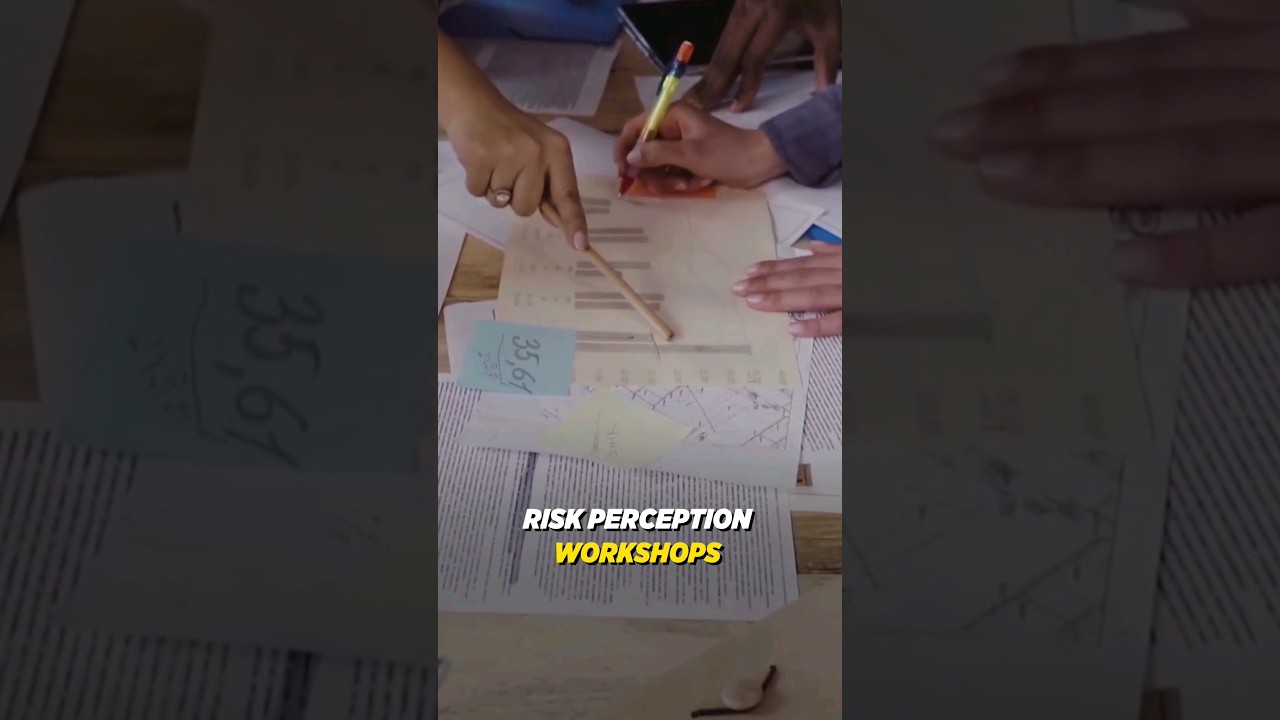
Risk perception workshops provide a collaborative platform where team members can share their views on project risks. By combining subjective insights with objective data, these workshops help to identify previously unnoticed risks and refine risk mitigation strategies. Facilitating open discussions allows for a better understanding of team dynamics and enhances the overall risk management approach.
War gaming is an innovative risk assessment method used to simulate scenarios that could threaten project success. By putting team members in opposing roles, it helps uncover hidden vulnerabilities and test risk response strategies. This dynamic exercise sharpens decision-making skills and enhances preparedness by exploring all potential outcomes and their impacts.






 EN
EN  PL
PL