project budget,budget overruns,project management,financial planning,cost management,budget control,project planning,budget optimization,project finance,budget risks,cost control,project strategy,problem-solving,effective management,project challenges,budget analysis,contingency planning,project success,project tools,budget tracking,budget solutions,cost reduction,project budget planning,budget prioritization,project control,project cost control


You may also like

Pre Mortem Analysis: Predicting and Preventing Project Failures.
A pre-mortem analysis allows teams to imagine that a project has failed and then work backward to determine the causes. This proactive approach identifies potential failure points early, making it possible to address them before they escalate into real issues. It boosts team collaboration and strengthens risk management strategies, improving the chances of project success.
Uncover Hidden Risks Using Red Team Blue Team Techniques.
Red Team/Blue Team exercises are adversarial methods where one group (Red Team) challenges the assumptions and plans of another group (Blue Team). This technique is highly effective in identifying hidden risks by exploring both offensive and defensive approaches. It fosters innovation, critical thinking, and a comprehensive understanding of potential threats to project objectives.
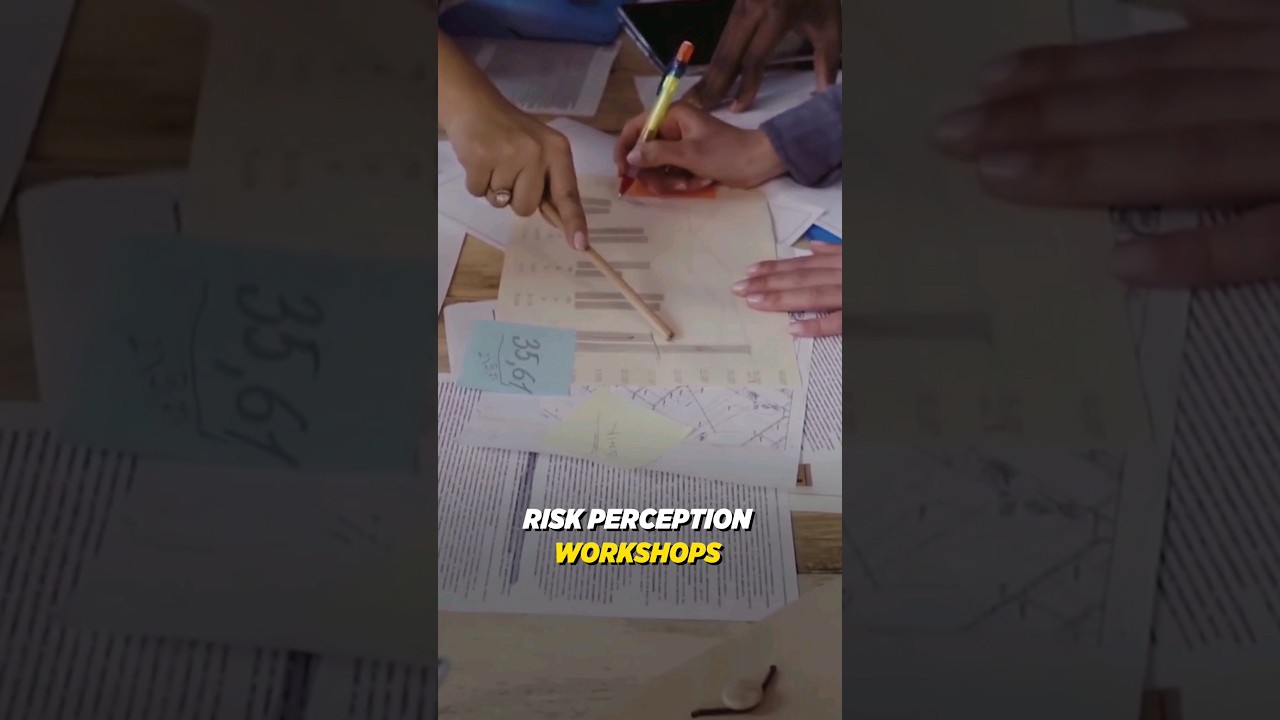
Enhancing Risk Identification: Risk Perception Workshops.
Risk perception workshops provide a collaborative platform where team members can share their views on project risks. By combining subjective insights with objective data, these workshops help to identify previously unnoticed risks and refine risk mitigation strategies. Facilitating open discussions allows for a better understanding of team dynamics and enhances the overall risk management approach.
War Gaming: A Powerful Tool for Identifying Risks.
War gaming is an innovative risk assessment method used to simulate scenarios that could threaten project success. By putting team members in opposing roles, it helps uncover hidden vulnerabilities and test risk response strategies. This dynamic exercise sharpens decision-making skills and enhances preparedness by exploring all potential outcomes and their impacts.
How to handle challenging situations with stakeholders?
Navigating challenging situations with stakeholders requires diplomatic communication, empathy, and transparency. It is crucial to understand their concerns, maintain professional boundaries, and look for win-win solutions that align their needs with project objectives. Early identification of potential friction points and proactive mitigation can help avoid conflicts.
How to Manage Stakekeholder Expectations.
Managing stakeholder expectations involves setting clear, achievable objectives from the outset. It is crucial to communicate openly and regularly, especially when there are changes in project scope or timelines. By actively listening to their concerns, addressing them promptly, and aligning their expectations with realistic outcomes, you ensure a more harmonious working relationship and a successful project execution.
Page 4 of 10
en_USEN