environmental scanning,risk identification,strategic planning,environmental analysis,external risks,business strategy,risk assessment,risk mitigation,market analysis,trend analysis,competitive intelligence,external environment,proactive management,risk monitoring,risk analysis,scenario analysis,industry analysis,strategic risk,forecasting,business environment,environmental factors,risk tools,threat identification,risk management techniques

You may also like

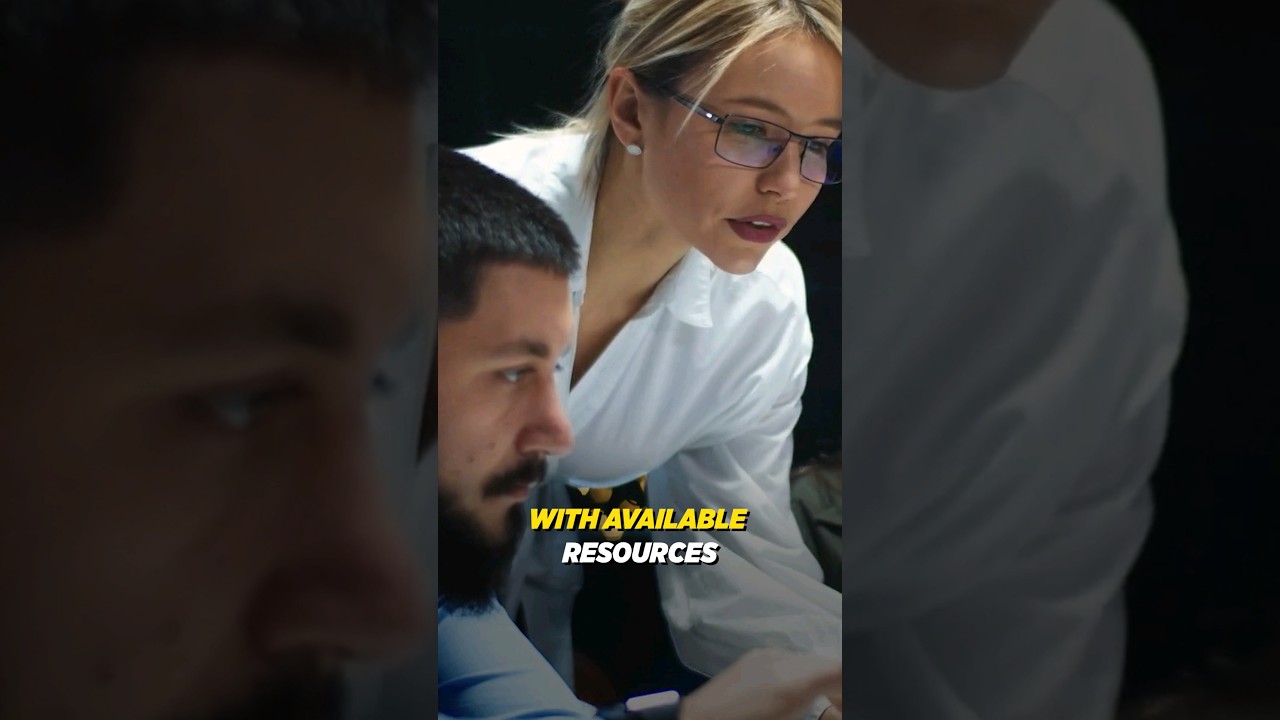
How Can You Overcome Resource Shortages?
Overcoming resource shortages requires creative problem-solving and strategic allocation. This may involve reprioritizing tasks, cross-training team members, outsourcing non-critical tasks, or negotiating for additional resources. Managing expectations with stakeholders and maintaining open communication helps mitigate the impact of resource limitations on project timelines.
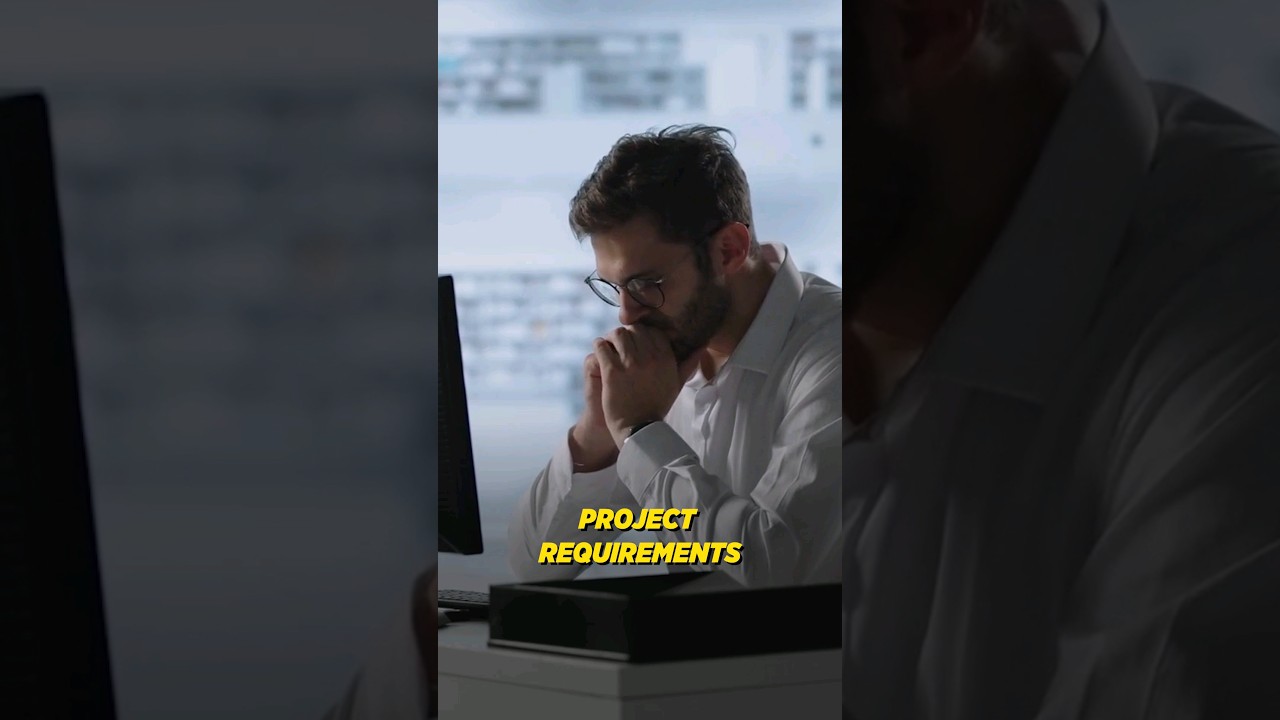
How to manage unclear project requirements?
Managing unclear project requirements requires constant communication and flexibility. Project managers should work closely with stakeholders to clarify ambiguities, develop detailed requirement documents, and use iterative methods to refine project scope. Involving the team early and frequently can help address unknowns and mitigate the risk of scope creep or misunderstandings.
How to Prevent Conflicts Effectively.
Preventing conflicts requires fostering a culture of openness, respect, and proactive communication. Encouraging team members to voice concerns early, setting clear expectations, and promoting a positive work environment are key to minimizing misunderstandings. Regular team check-ins and conflict management training can further reduce the likelihood of disputes.
Step-by-Step Conflict Resolution Process.
A structured approach to conflict resolution helps ensure that all parties’ concerns are addressed. The process typically involves identifying the issue, bringing involved parties together, facilitating discussions, exploring solutions, and agreeing on a resolution. Following this step-by-step method minimizes misunderstandings and creates lasting solutions.
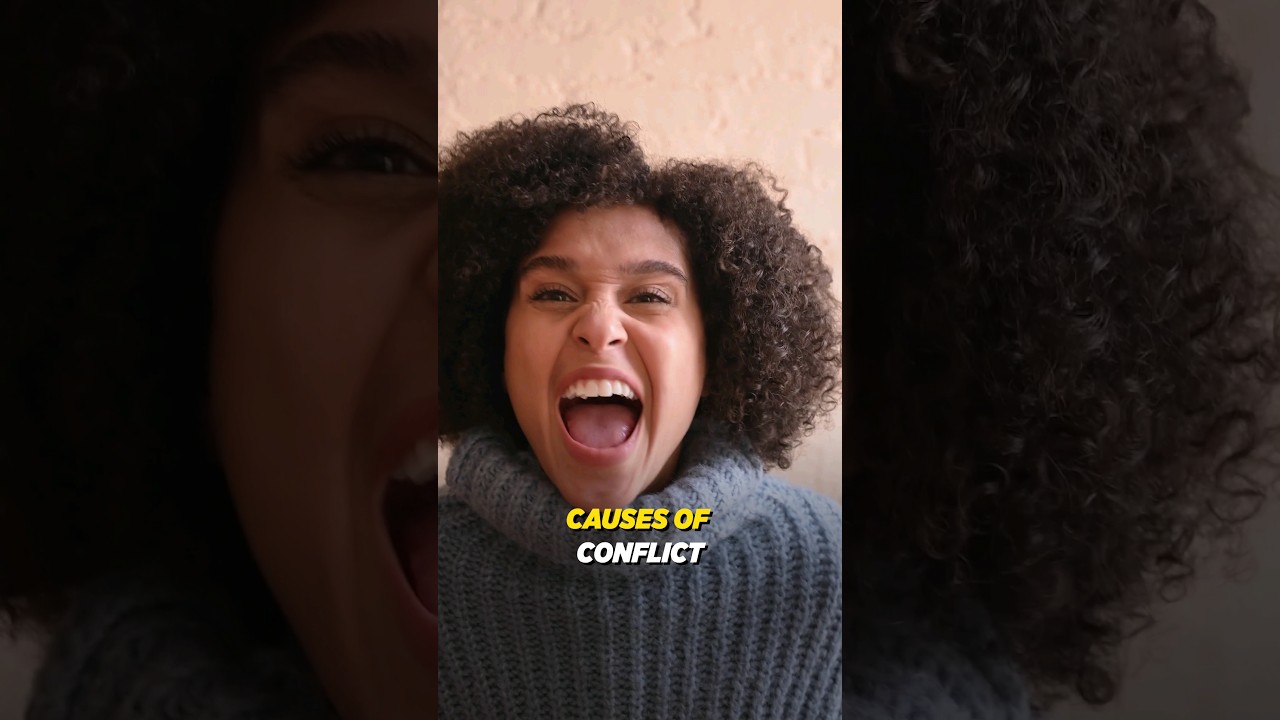
Understanding the Causes of Conflicts.
Conflict in the workplace often stems from miscommunication, differing values, or competing interests. Understanding the root causes is essential for effective conflict resolution. This involves active listening, identifying the underlying issues, and addressing them directly. By fostering a culture of transparency and empathy, organizations can mitigate conflicts and improve collaboration.
General Electric's Secret to Efficiency: The Work-Out Initiative.
GE’s “Work-Out” initiative, introduced by Jack Welch, aimed at eliminating unnecessary bureaucracy and fostering a culture of open communication. This program empowered employees to suggest improvements, streamline processes, and remove inefficiencies. It’s a powerful example of how organizations can enhance productivity and accountability by leveraging internal expertise.
Page 2 of 11
en_USEN