Problem-Solving Methods, Project Management, LEGO, LEGO Serious Play, Team-Building, Best Problem-Solving Methodologies, Fun Facts About LEGO, LEGO at Work, Problem-Solving Skills, Best Tips for Problem-Solving, Problem Solving, Innovation at Work, LEGO for Adults, Tips for Team Leaders.
You may also like

What is HAZOP and how can help with risk identification?
HAZOP (Hazard and Operability Study) is a structured risk analysis tool used to identify potential hazards and operability issues in processes. It involves a team-based approach where experts systematically review project components, looking for deviations from design or operational intent. This method enhances safety, efficiency, and reliability, particularly in complex systems.
Environmental Scanning for Effective Risk Management.
Environmental scanning involves analyzing external factors such as market trends, economic conditions, regulations, and technological advancements that could impact a project. By keeping a pulse on the surrounding environment, project teams can proactively identify risks and opportunities, adjust strategies accordingly, and ensure alignment with the broader business landscape.
Strategic Risk Management through Scenario Planning.
Scenario planning is a forward-thinking risk management technique where teams outline various future scenarios and develop strategies for each one. This allows organizations to prepare for multiple potential futures by identifying risks and opportunities under different conditions. It also helps in building resilience, promoting flexibility, and enabling quicker responses to changes.
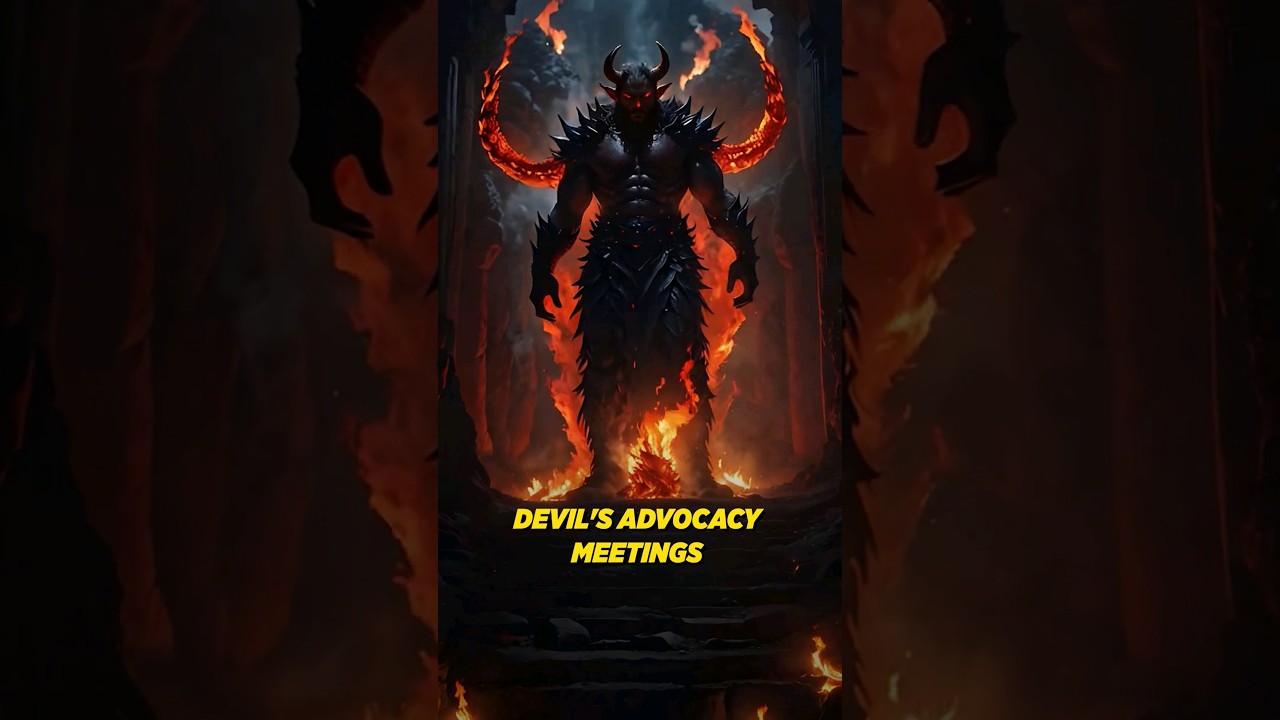
Devil's Advocacy Meetings: Identifying and Mitigating Risks.
In Devil’s Advocacy meetings, one or more team members deliberately question assumptions, decisions, and strategies. By playing the “devil’s advocate,” potential flaws and risks are exposed, allowing the team to address them before they become problematic. This method encourages a culture of critical thinking, helping to refine plans and improve project outcomes.
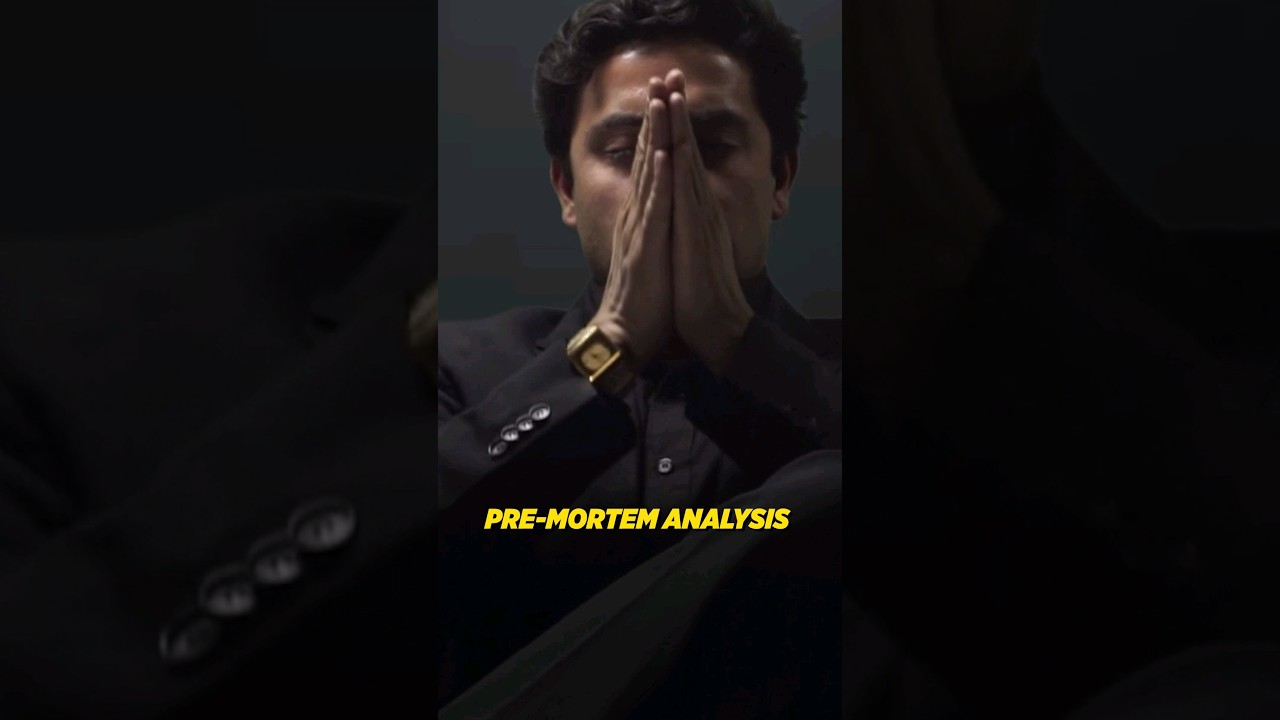
Pre Mortem Analysis: Predicting and Preventing Project Failures.
A pre-mortem analysis allows teams to imagine that a project has failed and then work backward to determine the causes. This proactive approach identifies potential failure points early, making it possible to address them before they escalate into real issues. It boosts team collaboration and strengthens risk management strategies, improving the chances of project success.
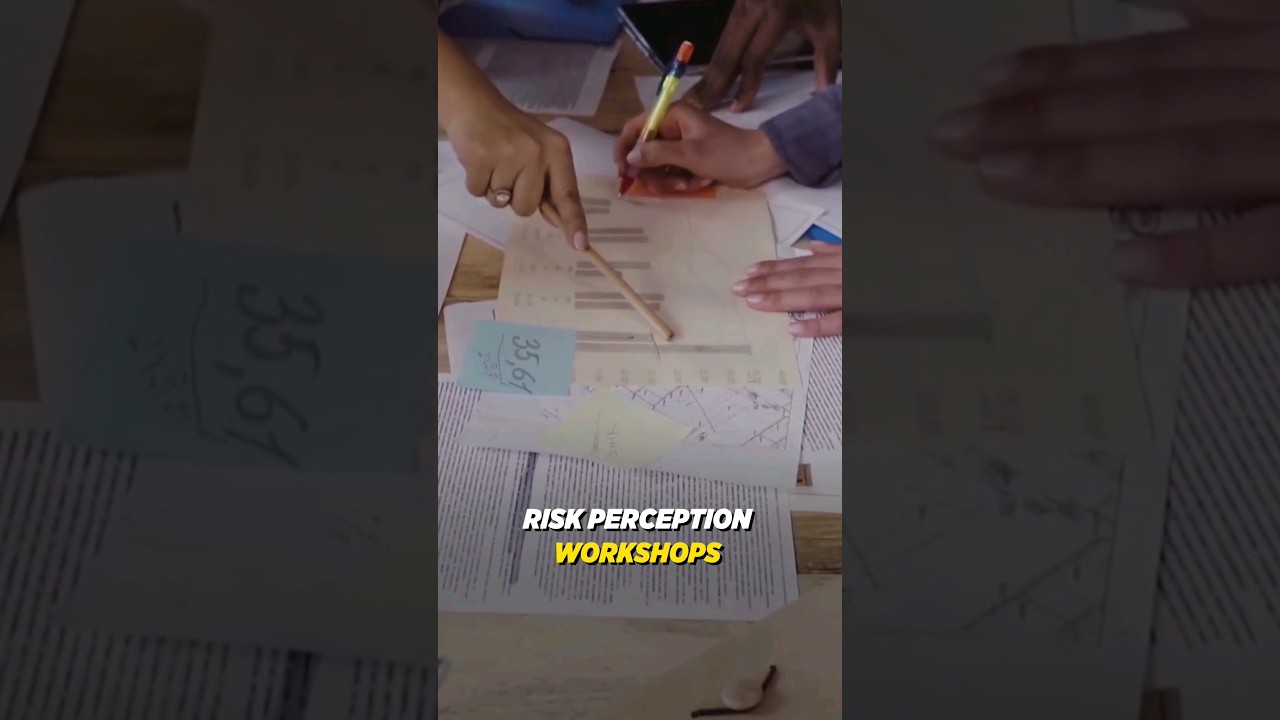
Enhancing Risk Identification: Risk Perception Workshops.
Risk perception workshops provide a collaborative platform where team members can share their views on project risks. By combining subjective insights with objective data, these workshops help to identify previously unnoticed risks and refine risk mitigation strategies. Facilitating open discussions allows for a better understanding of team dynamics and enhances the overall risk management approach.
Page 3 of 10
en_USEN