How to manage stakeholder expectations,stakeholder management,project management,communication strategies,stakeholder engagement,business relationships,effective communication,stakeholder analysis,expectation management,stakeholder satisfaction,project leadership,stakeholder influence,project stakeholders,relationship management,business communication,strategic management,stakeholder alignment,proactive communication,senior stakeholder expectations



You may also like

What to do with unexpected project risk?
Addressing unexpected project risks demands agility and quick decision-making. Establishing a contingency plan in advance, maintaining a risk log, and regularly reviewing potential risks can help mitigate their impact. When a new risk arises, assess its severity, communicate with stakeholders, and adjust project plans accordingly to ensure smooth project execution.
How Can You Overcome Resource Shortages?
Overcoming resource shortages requires creative problem-solving and strategic allocation. This may involve reprioritizing tasks, cross-training team members, outsourcing non-critical tasks, or negotiating for additional resources. Managing expectations with stakeholders and maintaining open communication helps mitigate the impact of resource limitations on project timelines.
How to Prevent Conflicts Effectively.
Preventing conflicts requires fostering a culture of openness, respect, and proactive communication. Encouraging team members to voice concerns early, setting clear expectations, and promoting a positive work environment are key to minimizing misunderstandings. Regular team check-ins and conflict management training can further reduce the likelihood of disputes.
Step-by-Step Conflict Resolution Process.
A structured approach to conflict resolution helps ensure that all parties’ concerns are addressed. The process typically involves identifying the issue, bringing involved parties together, facilitating discussions, exploring solutions, and agreeing on a resolution. Following this step-by-step method minimizes misunderstandings and creates lasting solutions.
Top Conflict Resolution Strategies.
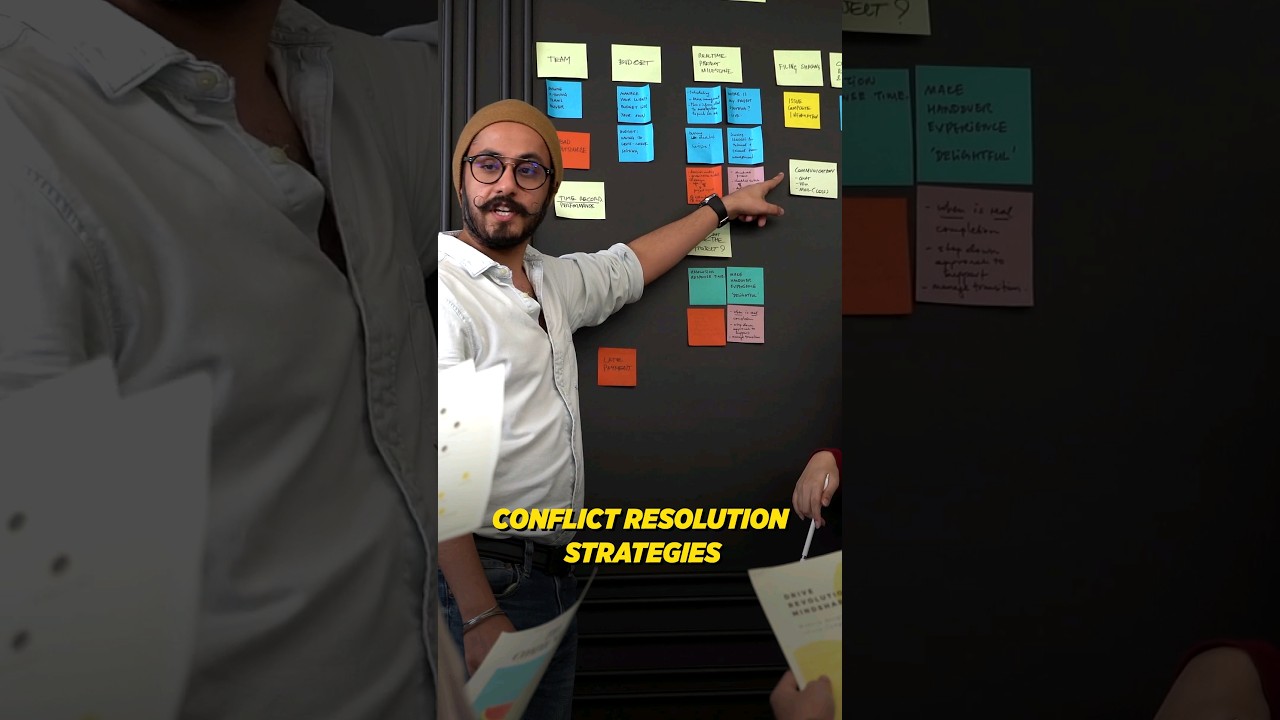
Effective conflict resolution strategies involve negotiation, mediation, and open dialogue. Encouraging a collaborative approach where all parties are heard and respected helps resolve disputes constructively. Techniques such as active listening, compromise, and finding common ground are essential to maintaining team harmony and avoiding escalation.
Understanding the Causes of Conflicts.
Conflict in the workplace often stems from miscommunication, differing values, or competing interests. Understanding the root causes is essential for effective conflict resolution. This involves active listening, identifying the underlying issues, and addressing them directly. By fostering a culture of transparency and empathy, organizations can mitigate conflicts and improve collaboration.
Page 2 of 10
en_USEN