Ecosystem mapping is a holistic risk management approach that visualizes the complex web of relationships between a project and its external environment. This technique helps identify dependencies, vulnerabilities, and opportunities by looking at how different elements of the ecosystem interact. It supports strategic decision-making and enhances the ability to manage uncertainties.
Expert elicitation with role reversal involves flipping traditional roles to gain fresh perspectives on risk. In this method, experts in a particular domain take on unfamiliar roles to challenge conventional thinking and expose blind spots in risk identification. This technique encourages creativity, fosters innovation, and leads to the discovery of overlooked risks and mitigation strategies.
HAZOP (Hazard and Operability Study) is a structured risk analysis tool used to identify potential hazards and operability issues in processes. It involves a team-based approach where experts systematically review project components, looking for deviations from design or operational intent. This method enhances safety, efficiency, and reliability, particularly in complex systems.
Environmental scanning involves analyzing external factors such as market trends, economic conditions, regulations, and technological advancements that could impact a project. By keeping a pulse on the surrounding environment, project teams can proactively identify risks and opportunities, adjust strategies accordingly, and ensure alignment with the broader business landscape.
Scenario planning is a forward-thinking risk management technique where teams outline various future scenarios and develop strategies for each one. This allows organizations to prepare for multiple potential futures by identifying risks and opportunities under different conditions. It also helps in building resilience, promoting flexibility, and enabling quicker responses to changes.
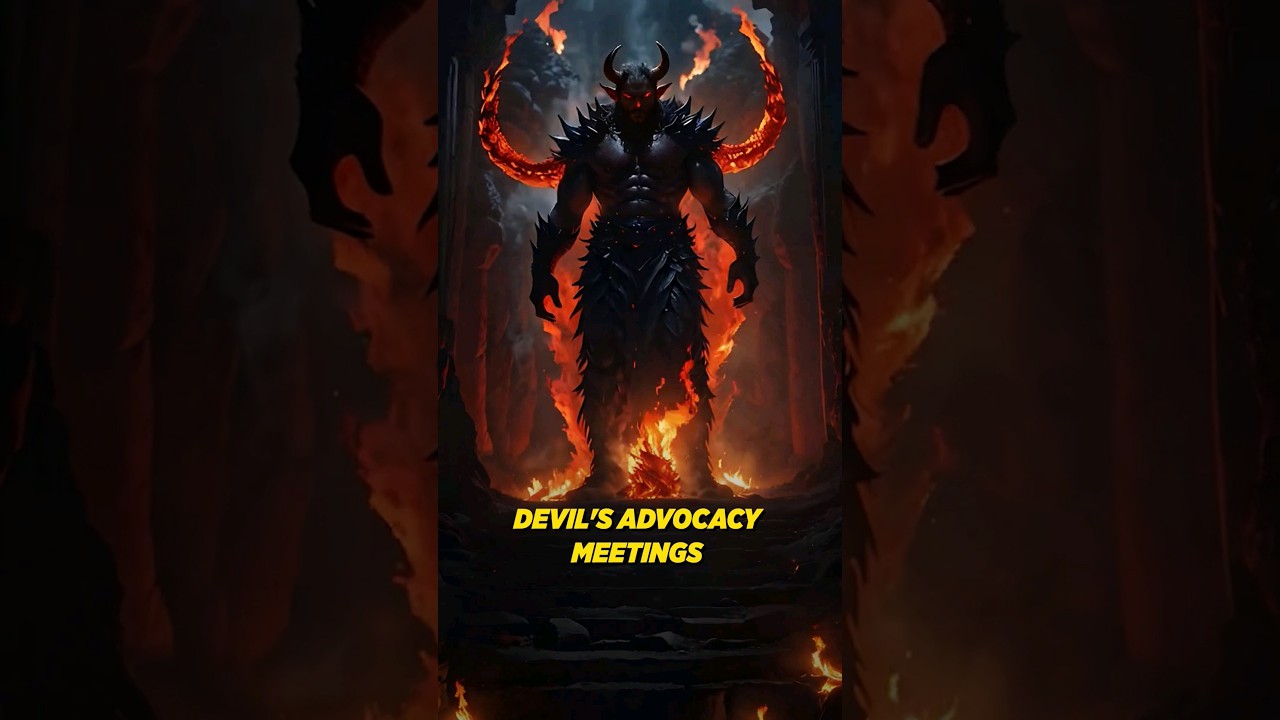
In Devil’s Advocacy meetings, one or more team members deliberately question assumptions, decisions, and strategies. By playing the “devil’s advocate,” potential flaws and risks are exposed, allowing the team to address them before they become problematic. This method encourages a culture of critical thinking, helping to refine plans and improve project outcomes.




 EN
 PL